How to use cross filter
What is Cross Filter?
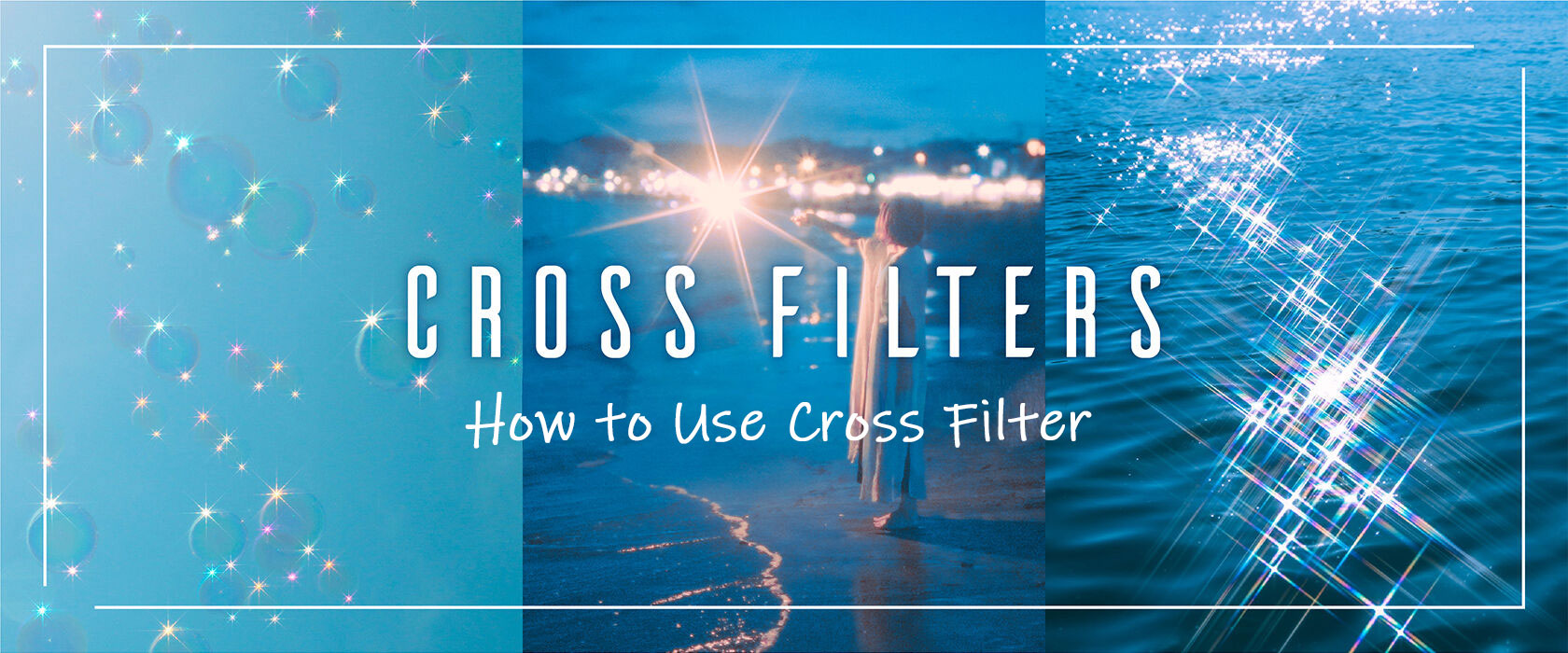
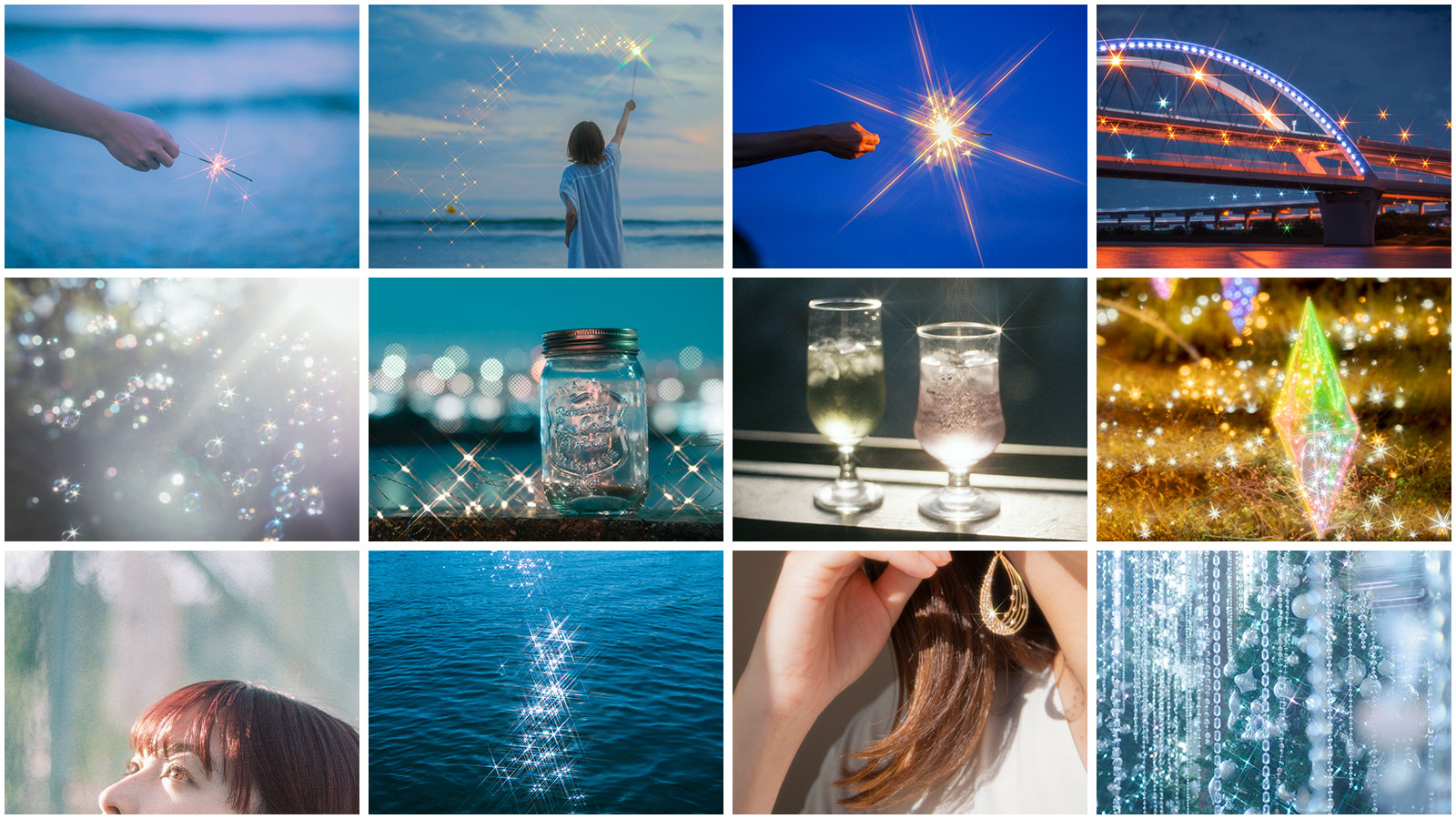
Cross filters are lens filters that extend rays from bright point light sources to enhance their sparkle. They are effective not only for nightscapes and illuminations, but also for fireworks, stars, reflections on water surfaces, sunlight filtering through trees, jewelry, and other point light sources. They are also used for photographing live performances, stage productions, and promotional videos. Cross filters deliver a powerful effect when you want to strongly emphasize a sparkling impression of your subject.
Cross filter lineup
Cross filters are available in 4-line, 6-line, and 8-line types. There is also the "Twinkle Star" series, which features shorter lines than standard cross filters. The Twinkle Star series produces a softer effect than the standard type.
| Standard type | Twinkle Star | Natural | |||
|---|---|---|---|---|---|
|
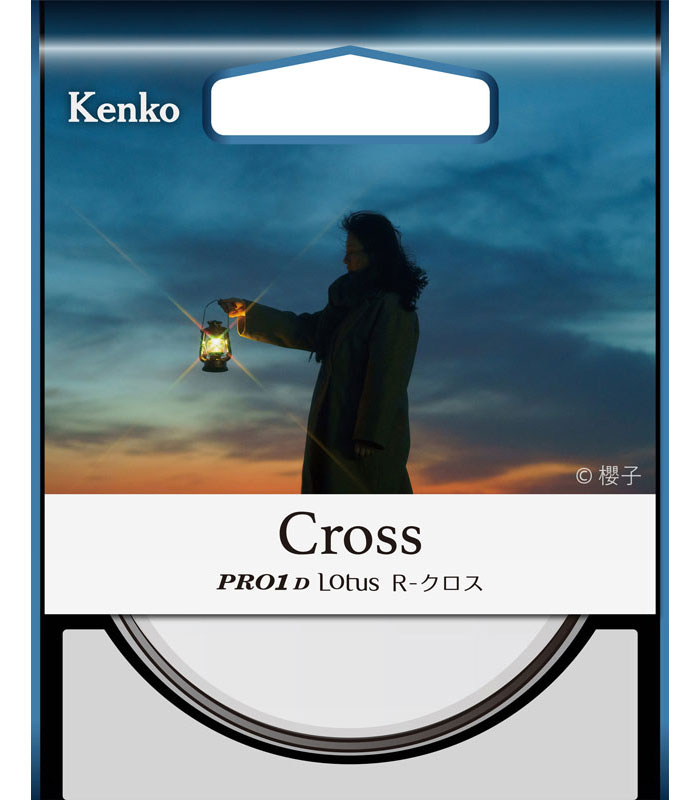
PRO1D Lotus R-Cross |
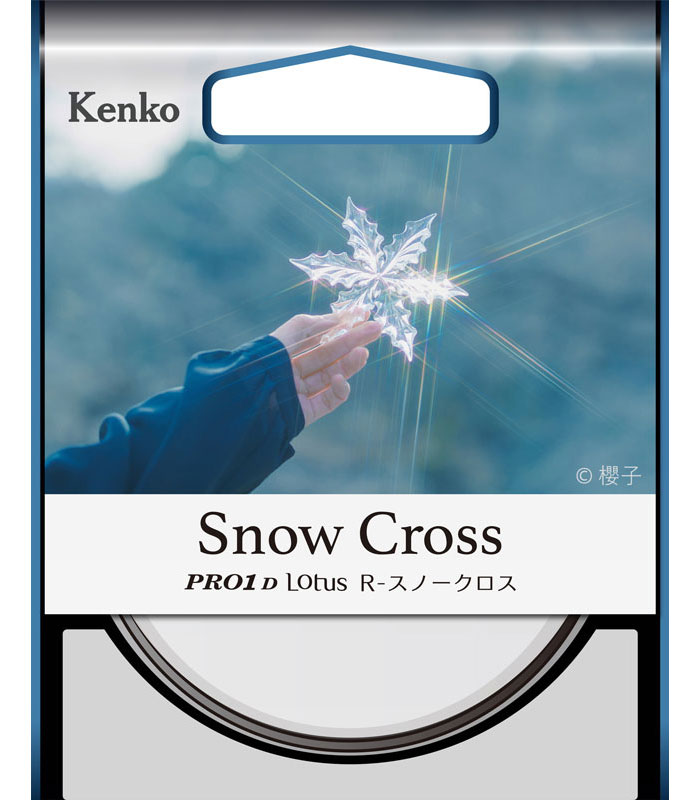
PRO1D Lotus R-Snow Cross |
PRO1D Lotus R-Sunny Cross |
PRO1D R-Twinkle Star (W) |
PRO1D R-Twinkle Star 6X (W) |
PRO1D R-Natural Cross |
 |
 |
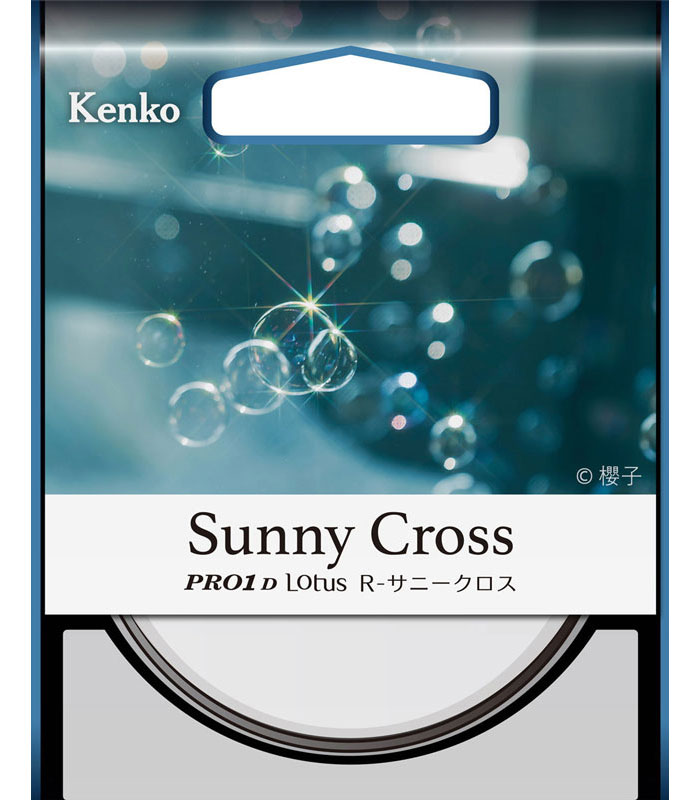 |
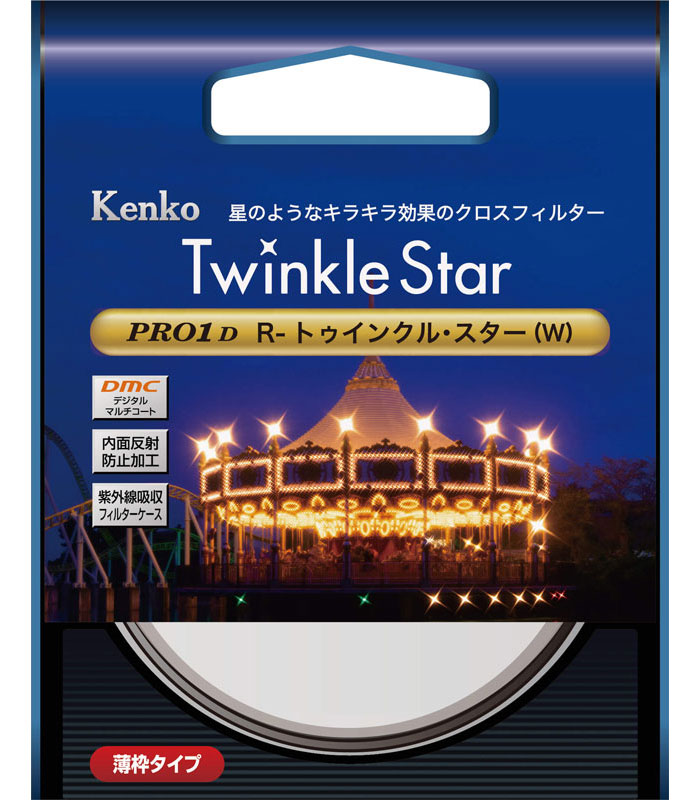 |
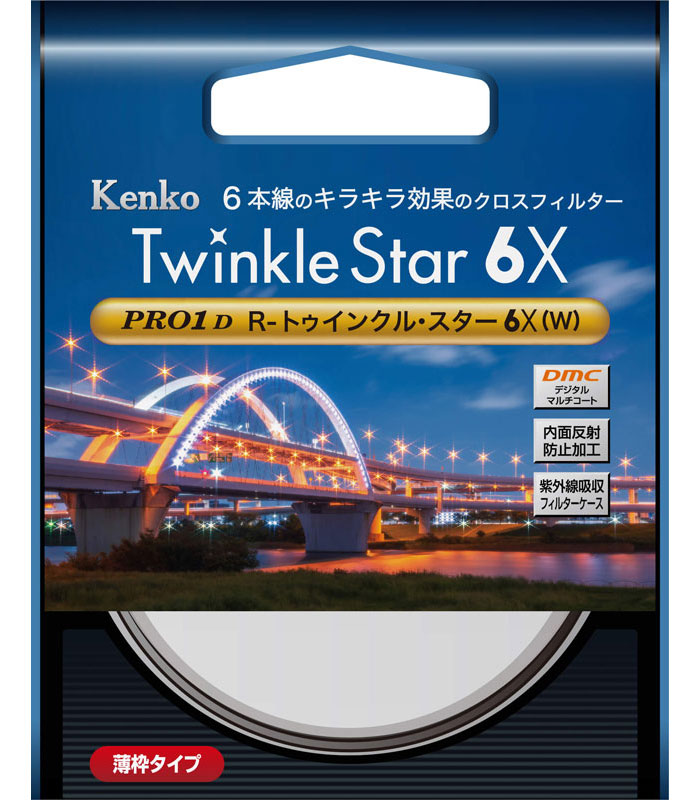 |
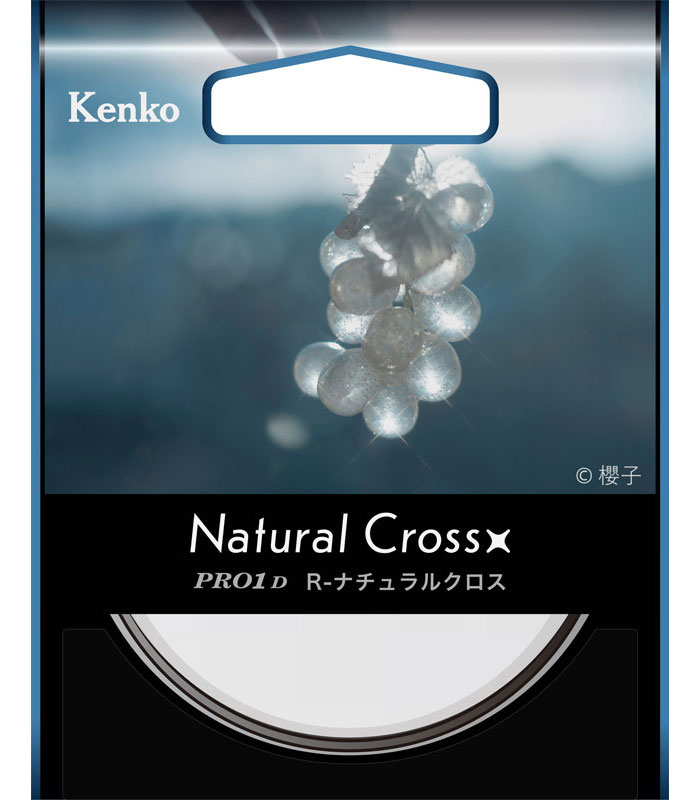 |
| 4 beams | 6 beams | 8 beams | 4 beams | 6 beams | 4 beams |
 |
 |
 |
 |
 |
 |
Usage Tips
1. Include a Point Light Source in the Frame
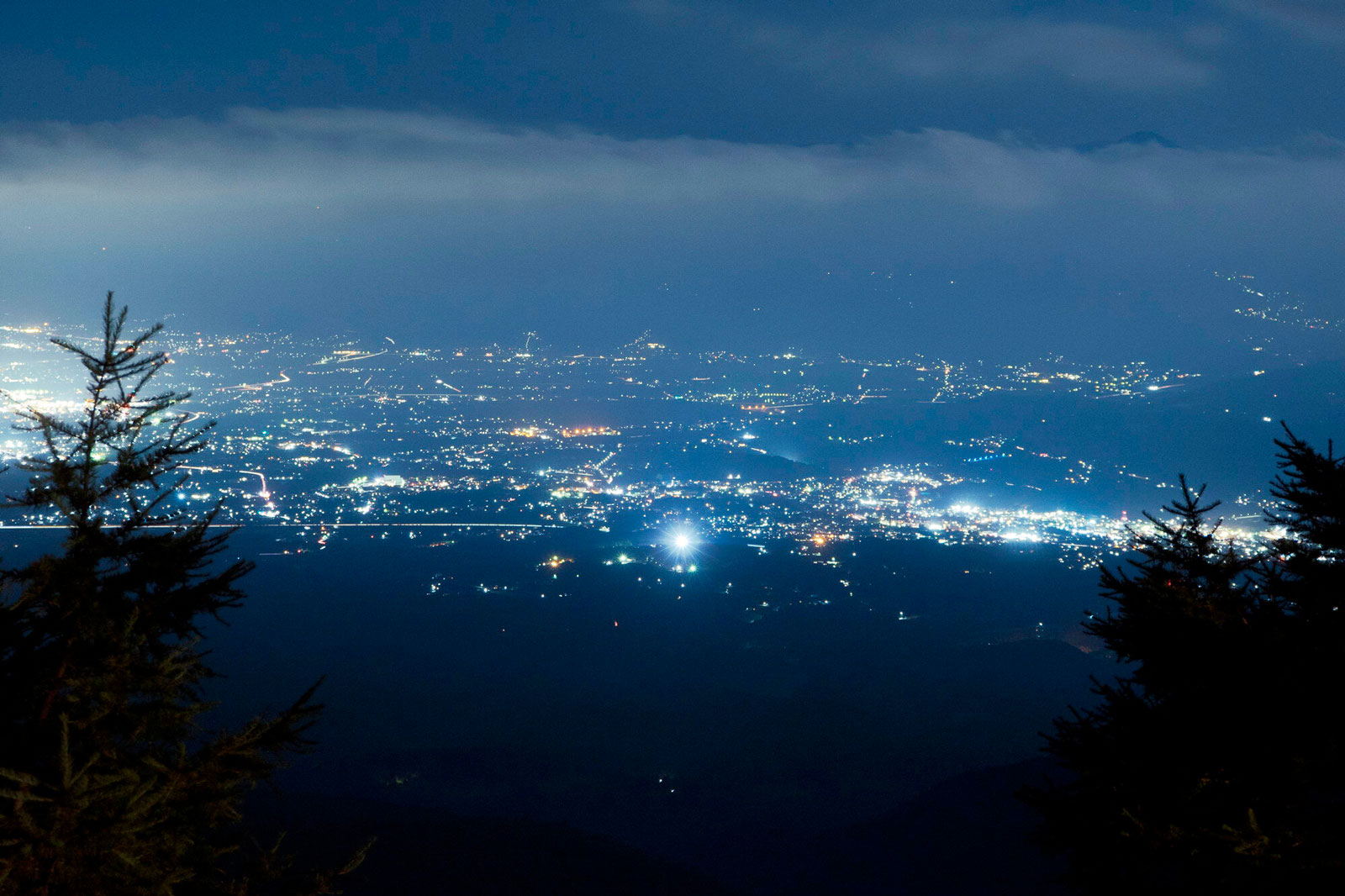
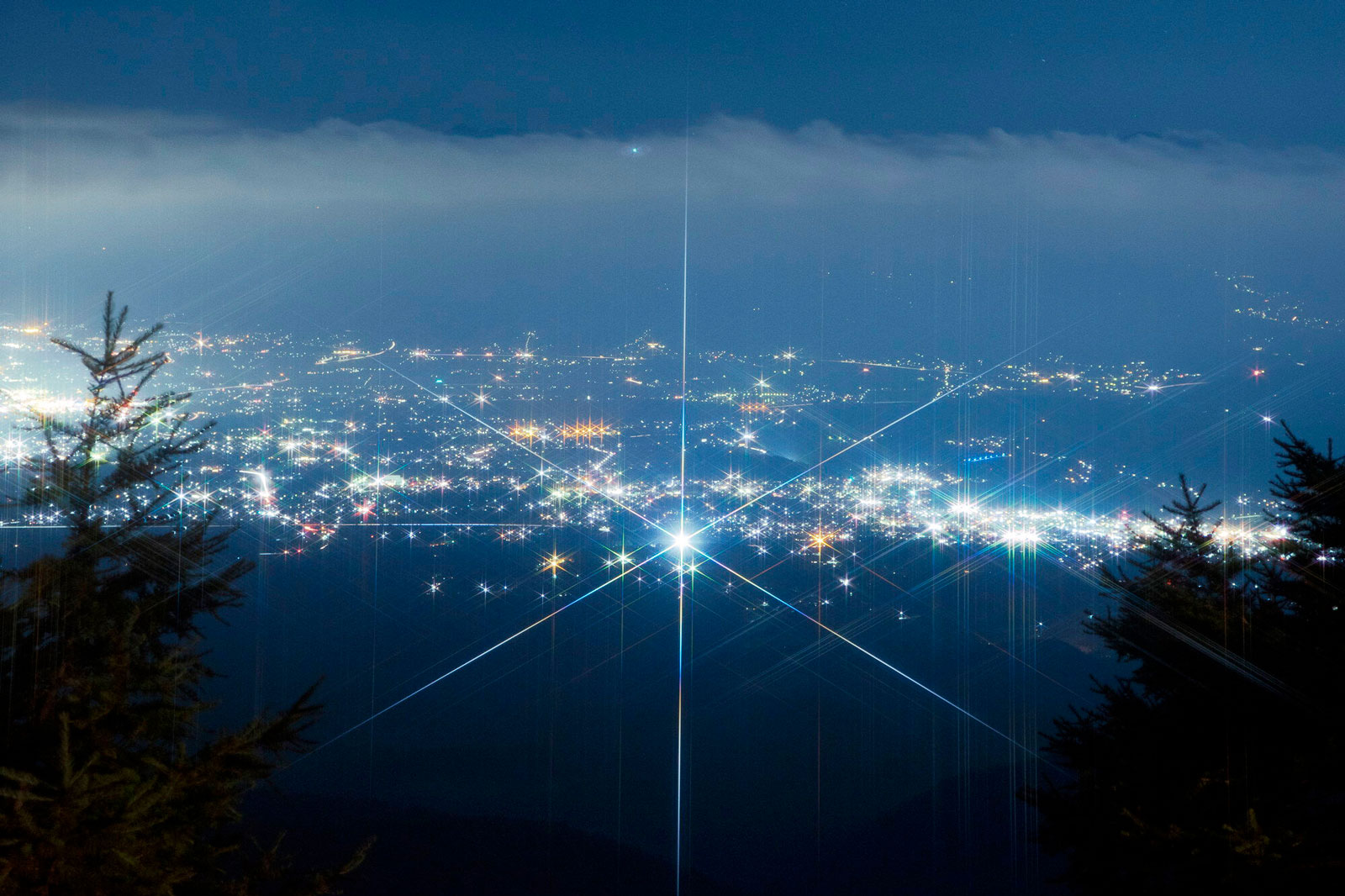
The cross effect appears only with point light sources. It is not suitable for elongated light sources such as fluorescent lamps. The appearance of the cross effect may vary depending on the brightness of the light source and the distance from it.
 |
 |
2. The Darker the Scene, the Stronger the Effect
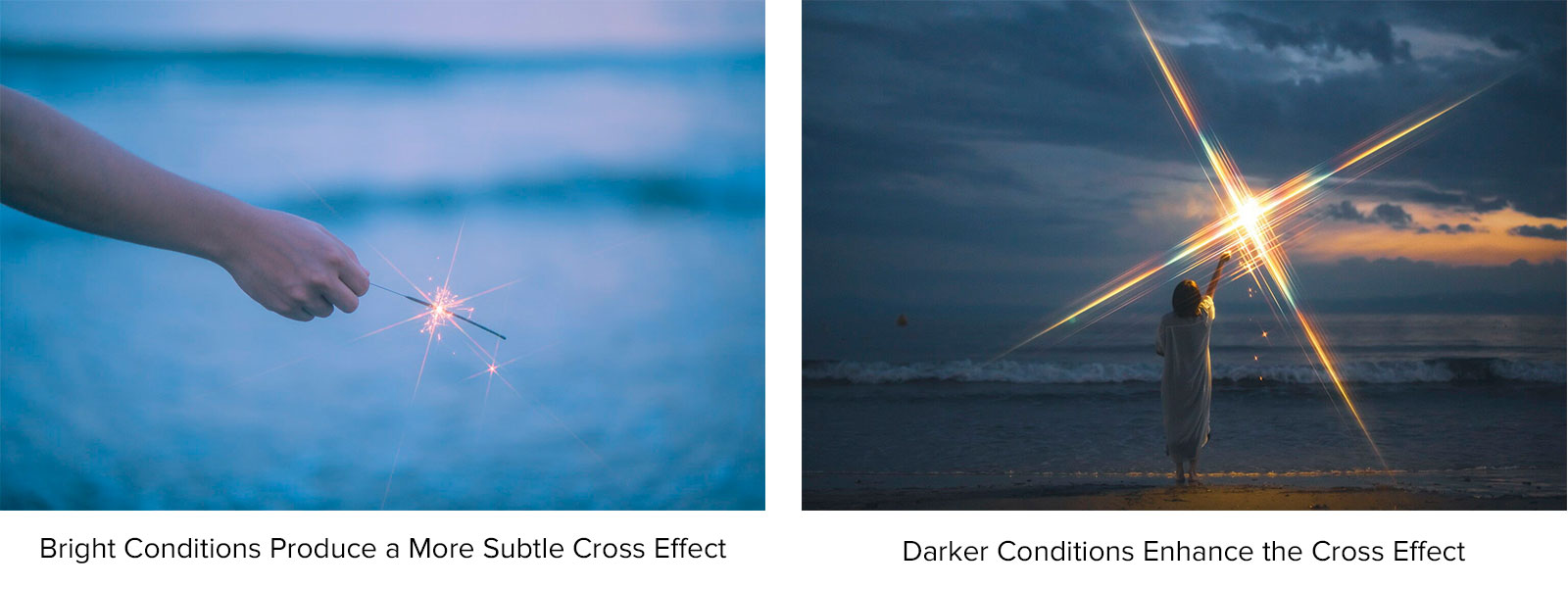
A darker background makes the cross streaks stand out more clearly. In bright daylight, the streaks appear more subtle, while they become increasingly pronounced as ambient light levels decrease after sunset.
For nightscapes, illuminations, and handheld fireworks, shooting during the blue hour - when the sky still retains some color after sunset - is recommended rather than waiting until it is completely dark.
For brighter conditions, standard cross filters such as Cross Screen, Snow Cross, and Sunny Cross are recommended. For dense illumination scenes with many bright light sources, the Twinkle Star series is recommended, as its shorter streaks help maintain a balanced and natural appearance.
3. Adjust the Angle of the Cross Effect
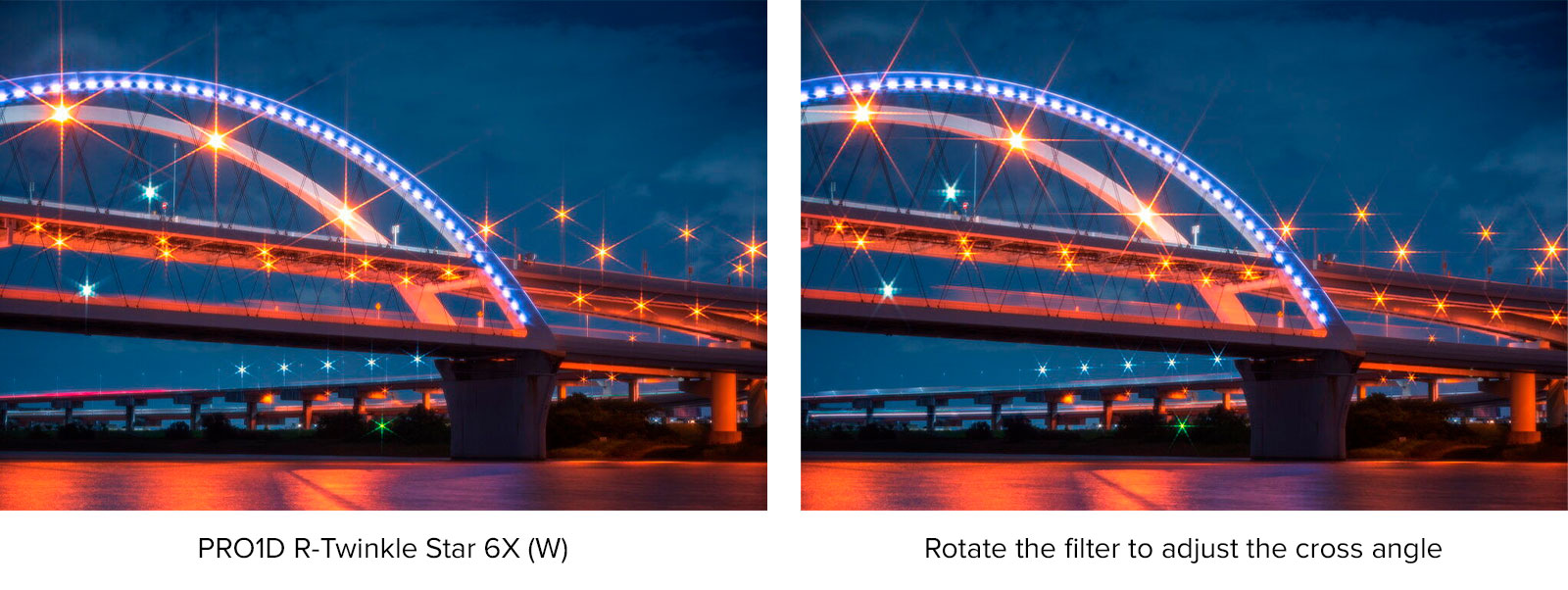
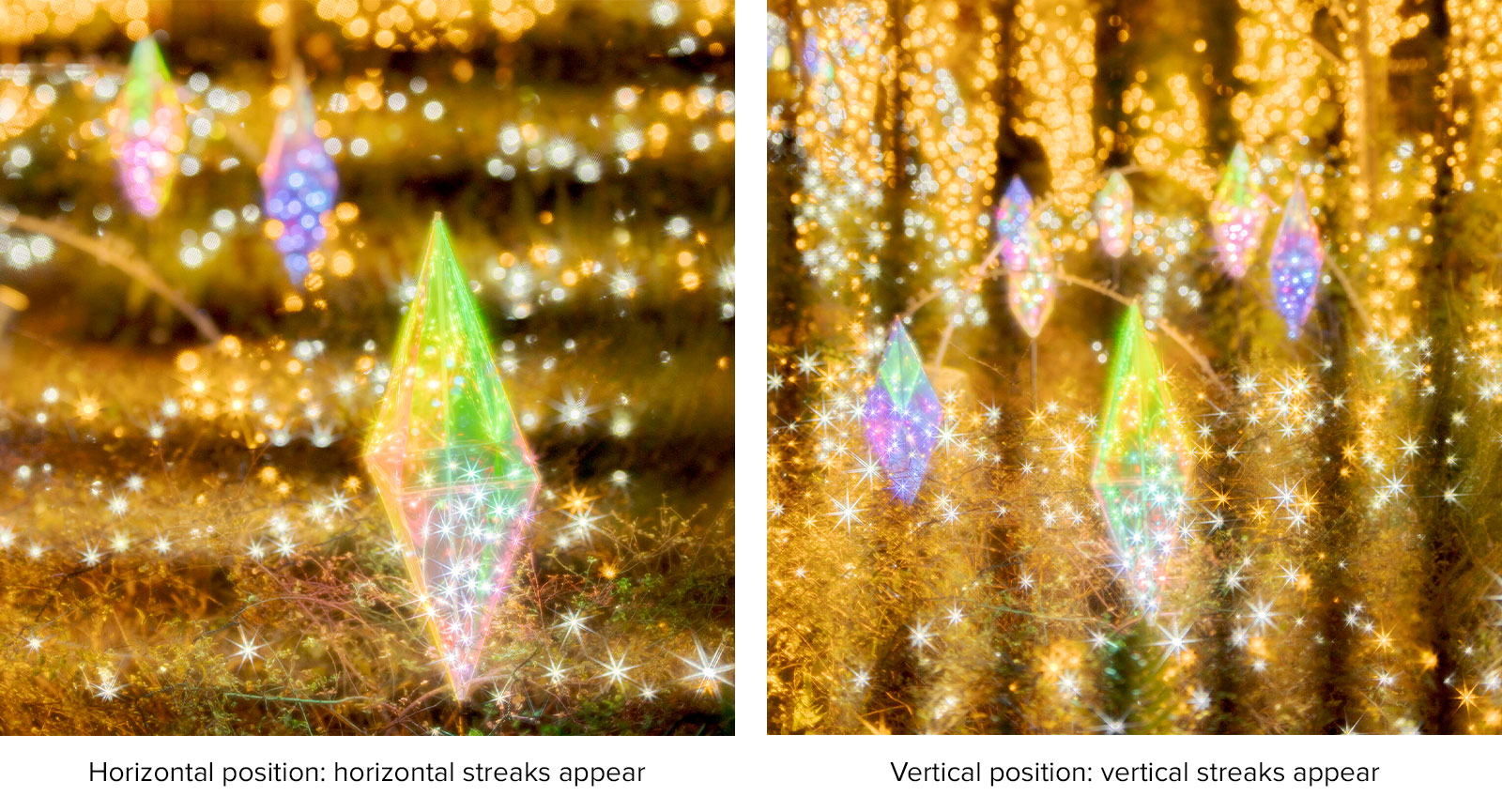
Cross filters feature a rotating frame that allows you to adjust the angle of the cross effect by turning the front ring. Check the direction of the cross streaks through the viewfinder or on the LCD monitor and adjust them to suit your composition before shooting.
For video recording, the rotating frame can also be used during filming to create dynamic movement in the cross effect.
4. Focal Length and Aperture
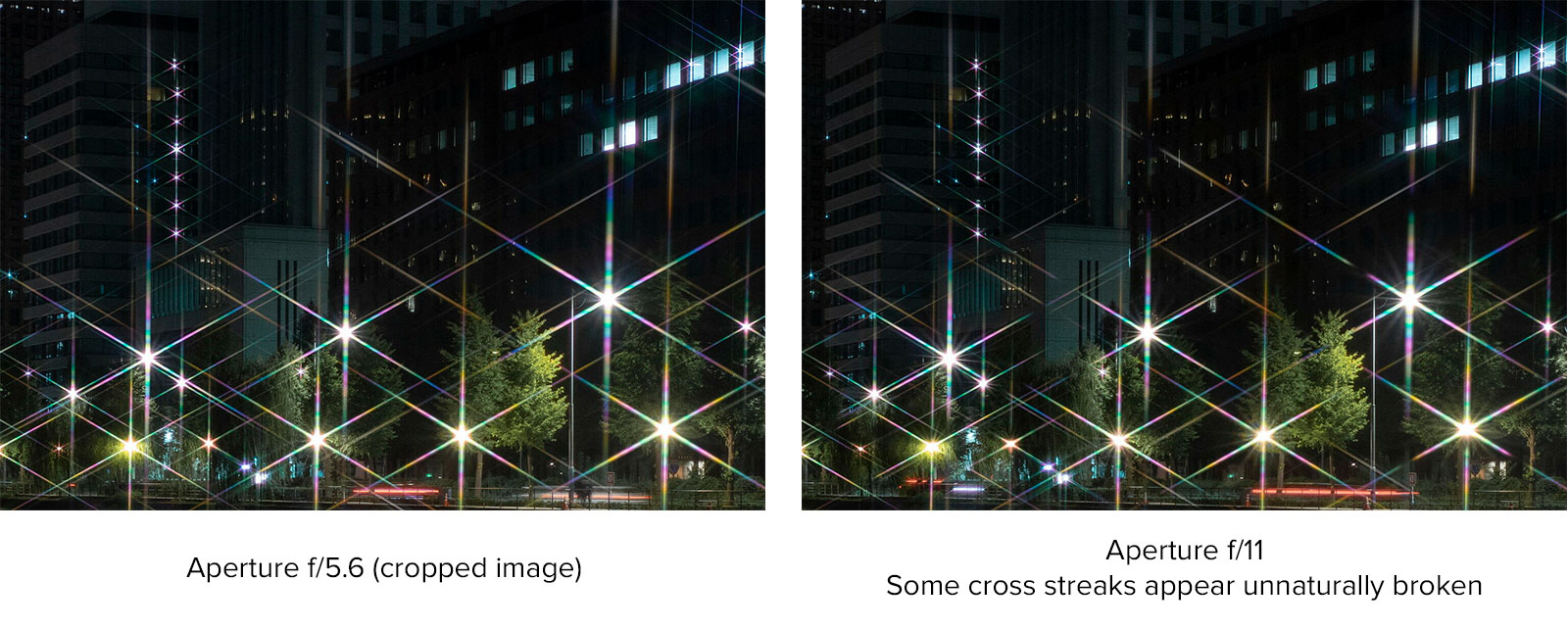
When using a wide-angle lens with a small aperture, the cross streaks may appear broken or interrupted. Wide-angle lenses can also cause the streaks to appear distorted toward the edges of the frame.
For the best results, use a standard or longer focal length and shoot with the aperture close to wide open.
5. Exposure Compensation
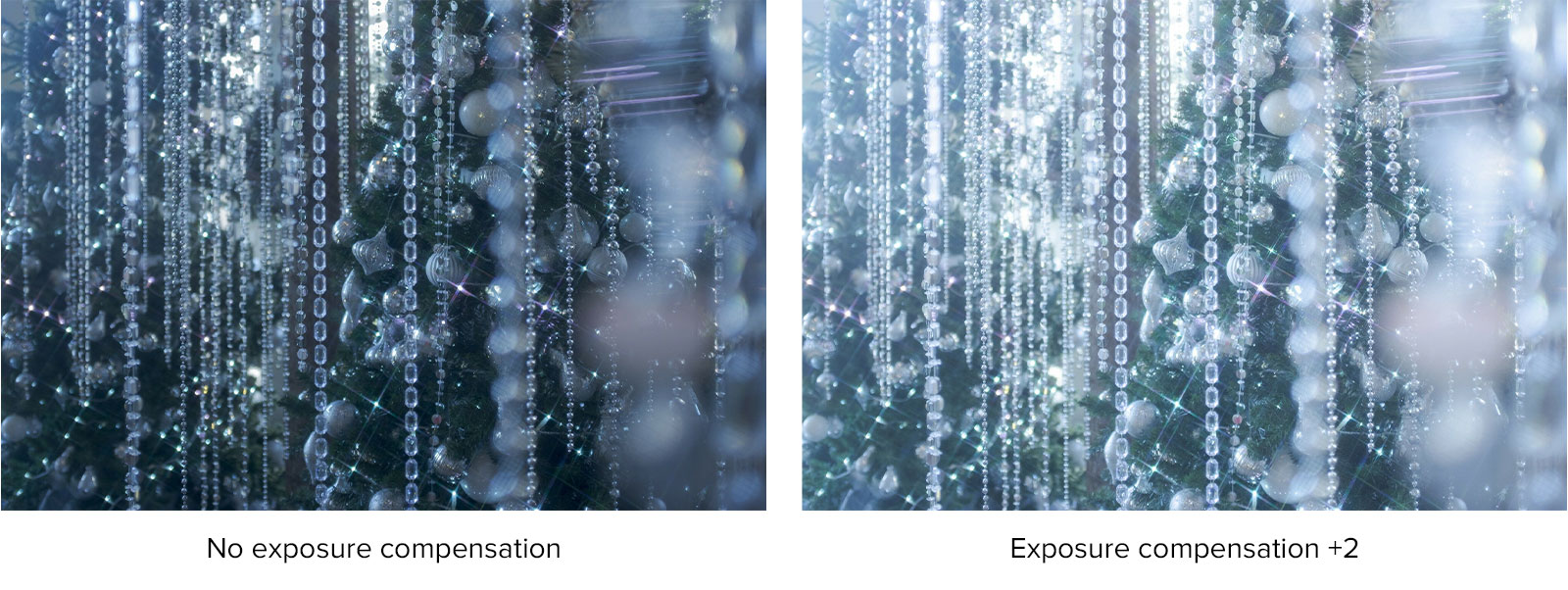
Increasing exposure compensation toward the positive side can create a brighter, more sparkling appearance.
Night scenes often contain a high contrast between bright highlights and dark shadows, which can result in blown highlights or blocked shadows. If your camera offers a feature to optimize dynamic range or balance contrast, consider using it.
When editing images on a computer or smartphone, you can further reduce excessive contrast by raising the shadows and lowering the highlights.
6. Switch to Manual Focus When Autofocus Struggles
In most situations, autofocus will work normally. However, if the camera has difficulty achieving focus, switch to manual focus and adjust focus manually for the best results.
7. Watch for Flicker When Photographing Illuminations
When photographing illuminations, pay close attention to shutter speed. LED lights flicker at a rate that is invisible to the human eye, and fast shutter speeds may cause bright and dark bands to appear in the image, a phenomenon known as flicker.
If your camera offers a flicker reduction or anti-flicker function, enabling it can help minimize this effect.
To reduce flicker while maintaining a shutter speed suitable for handheld shooting, use 1/100 sec or 1/50 sec in 50 Hz regions, and 1/125 sec (or 1/120 sec) or 1/60 sec in 60 Hz regions.
8. Mesh Pattern in Bokeh Highlights
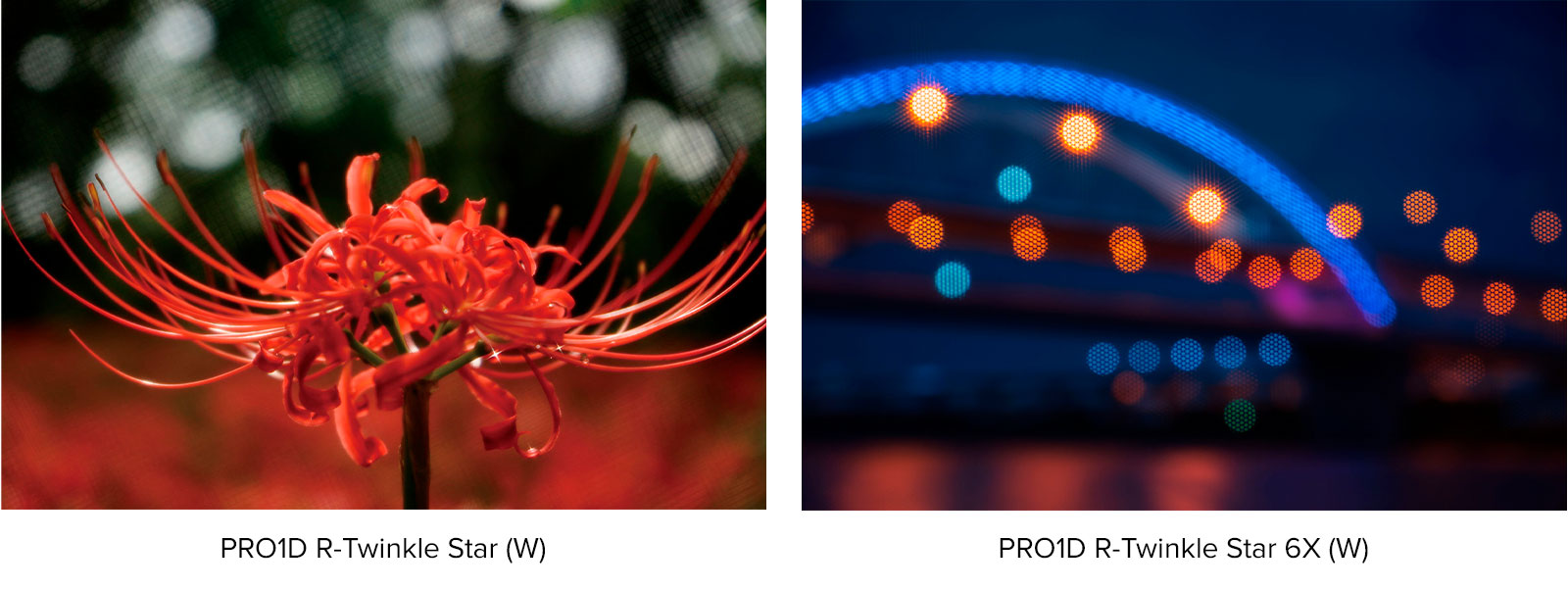
The mesh pattern etched into the filter glass to create the cross effect may occasionally become visible in out-of-focus highlights (bokeh). Rather than viewing it as a flaw, you may find it interesting to incorporate the pattern creatively as part of the image.
9. Create a Dreamlike Look by Combining with a Soft Filter
The mesh pattern etched into the filter glass to create the cross effect may occasionally become visible in out-of-focus highlights (bokeh). Rather than viewing it as a flaw, you may find it interesting to incorporate the pattern creatively as part of the image.
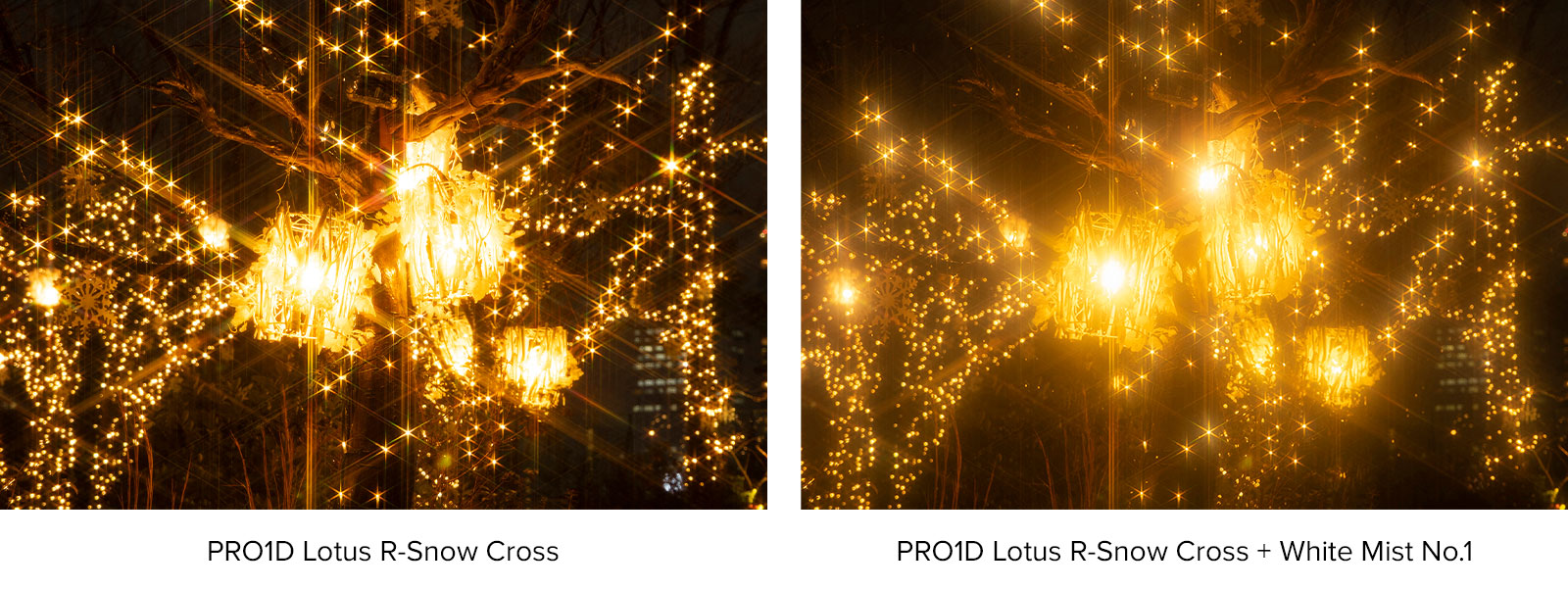
A World of Sparkling Light with Cross Filters
Cross filters enhance the sparkle of light, adding a striking visual element to both photographs and videos. They can be used to emphasize a subject, or even turn light itself into the main subject when there is nothing else to draw the eye.
Attach a cross filter to your lens and enjoy the dazzling world of sparkling light as it appears through your viewfinder or on your LCD screen.